Engineering financial services applications requires more than generating code or automating individual
tasks. It demands an understanding of banking business rules, transaction lifecycles, payment scheme
requirements, legacy architectures, and interconnected systems.
PRAGNOS brings Verinite’s experience across banking, cards, payments, and lending into the software
engineering lifecycle. By applying financial services domain knowledge to engineering activities, PRAGNOS
helps teams address industry-specific requirements and system complexities across all four SDLC pillars.
01
Requirements & Design — Business Context That Shapes Engineering
Financial services requirements often involve complex transaction rules, processing conditions, scheme
mandates, and system dependencies. Domain-informed analysis helps translate these requirements into
structured specifications, acceptance criteria, and design inputs.
02
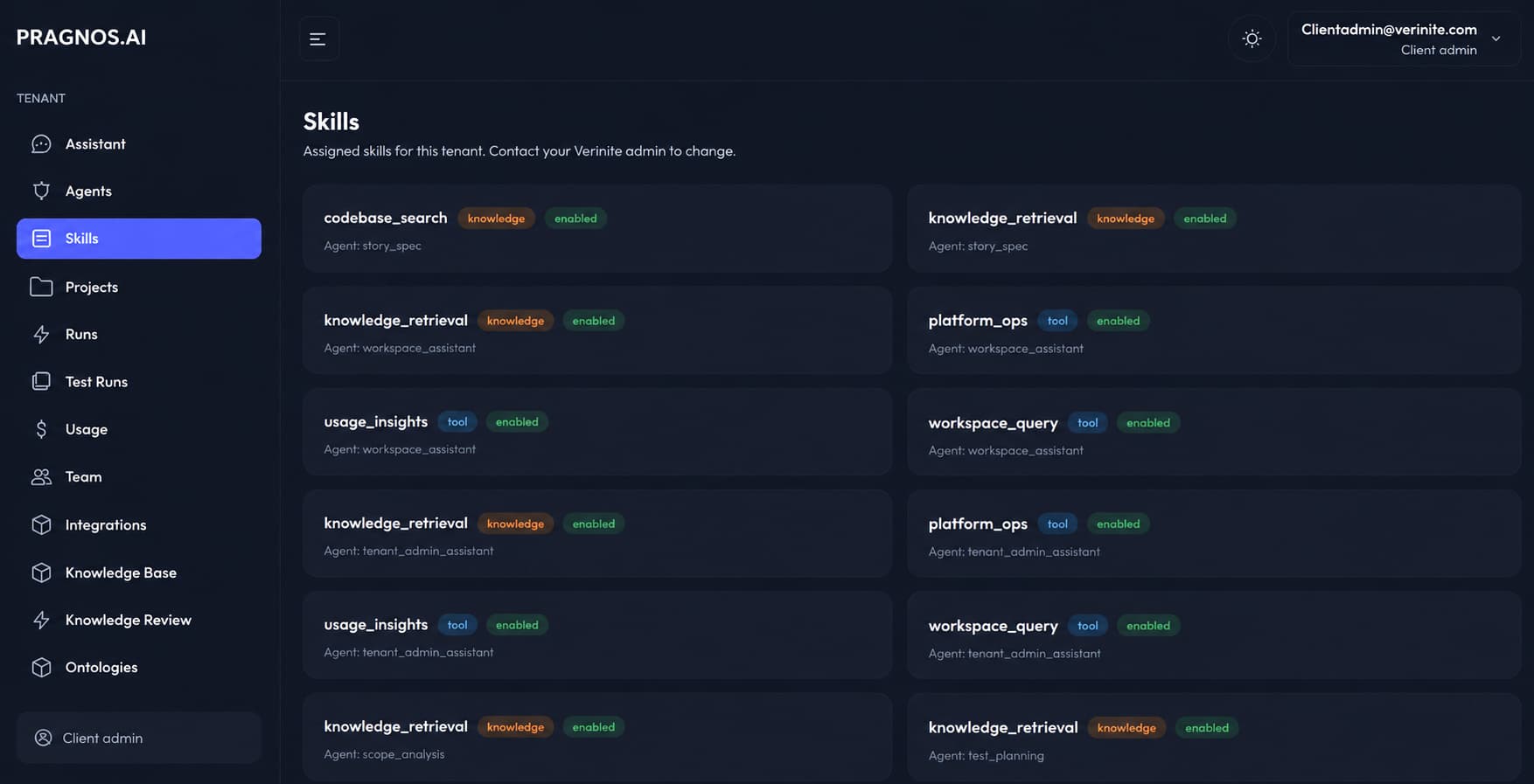
Development & Build — Engineering Aligned with Business Logic
Banking and payment applications must preserve expected transaction behaviour while evolving existing
systems. Application requirements, business rules, and architectural context provide the foundation for
more relevant code generation, modification, and review.
03
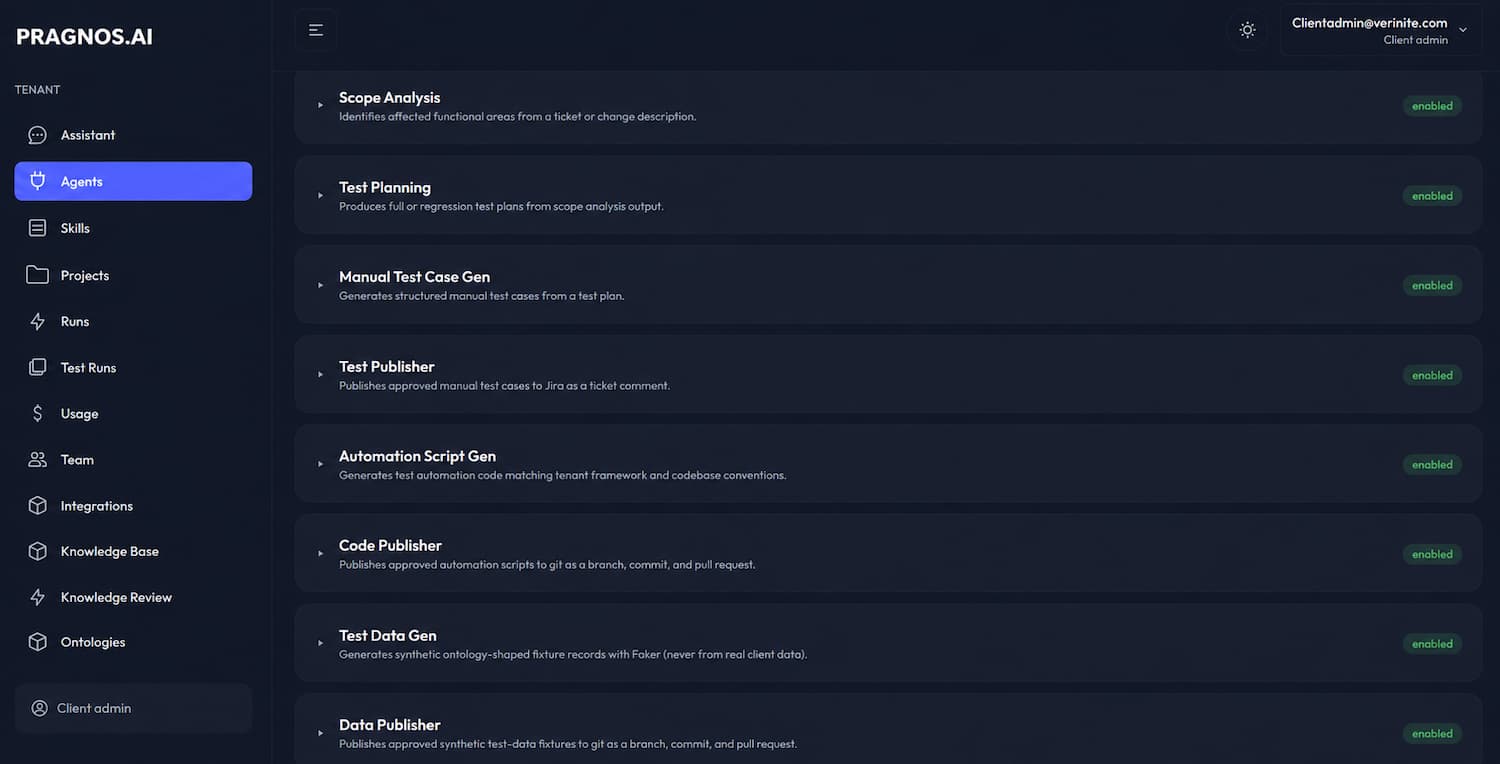
Quality Engineering — Testing the Complexity of Financial Transactions
Financial services quality engineering must account for more than standard user journeys. Scenarios such
as declined transactions, reversals, settlement exceptions, and interactions between business rules
require domain-aware test design and validation.
Know More
04
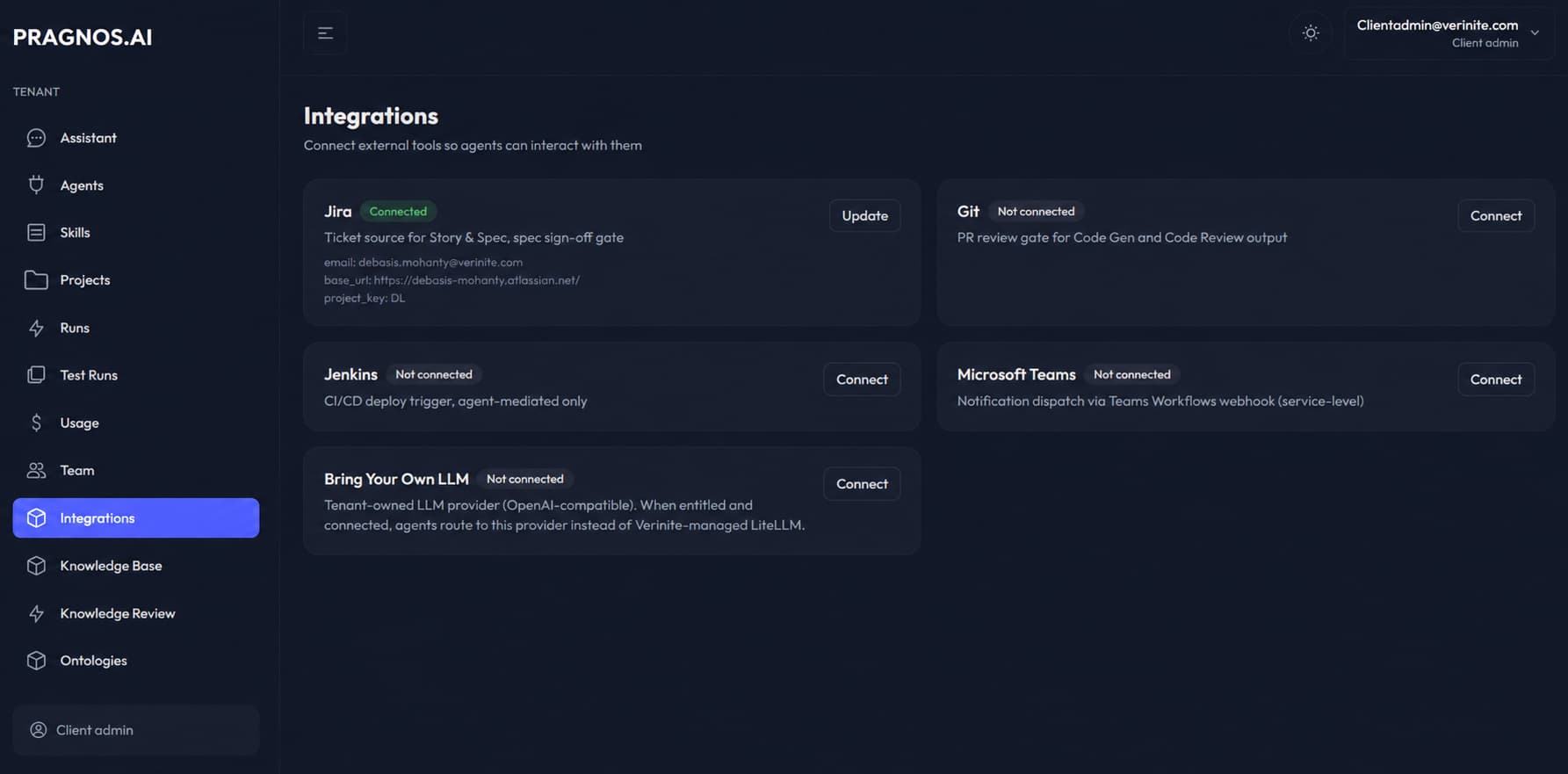
Deployment & Operations — Understanding System Dependencies
Changes to financial applications can affect interconnected platforms, APIs, transaction-processing
components, and downstream systems. Understanding these relationships helps teams consider operational
dependencies when planning releases, monitoring applications, and investigating incidents.
◎
The PRAGNOS Difference
Financial services domain expertise informs the engineering
challenge—not just the technology used to solve it.
By bringing banking, cards, payments, and lending context into the SDLC, PRAGNOS is positioned to address
the functional rules, transaction complexity, and system dependencies that distinguish financial services
engineering from general-purpose software development.

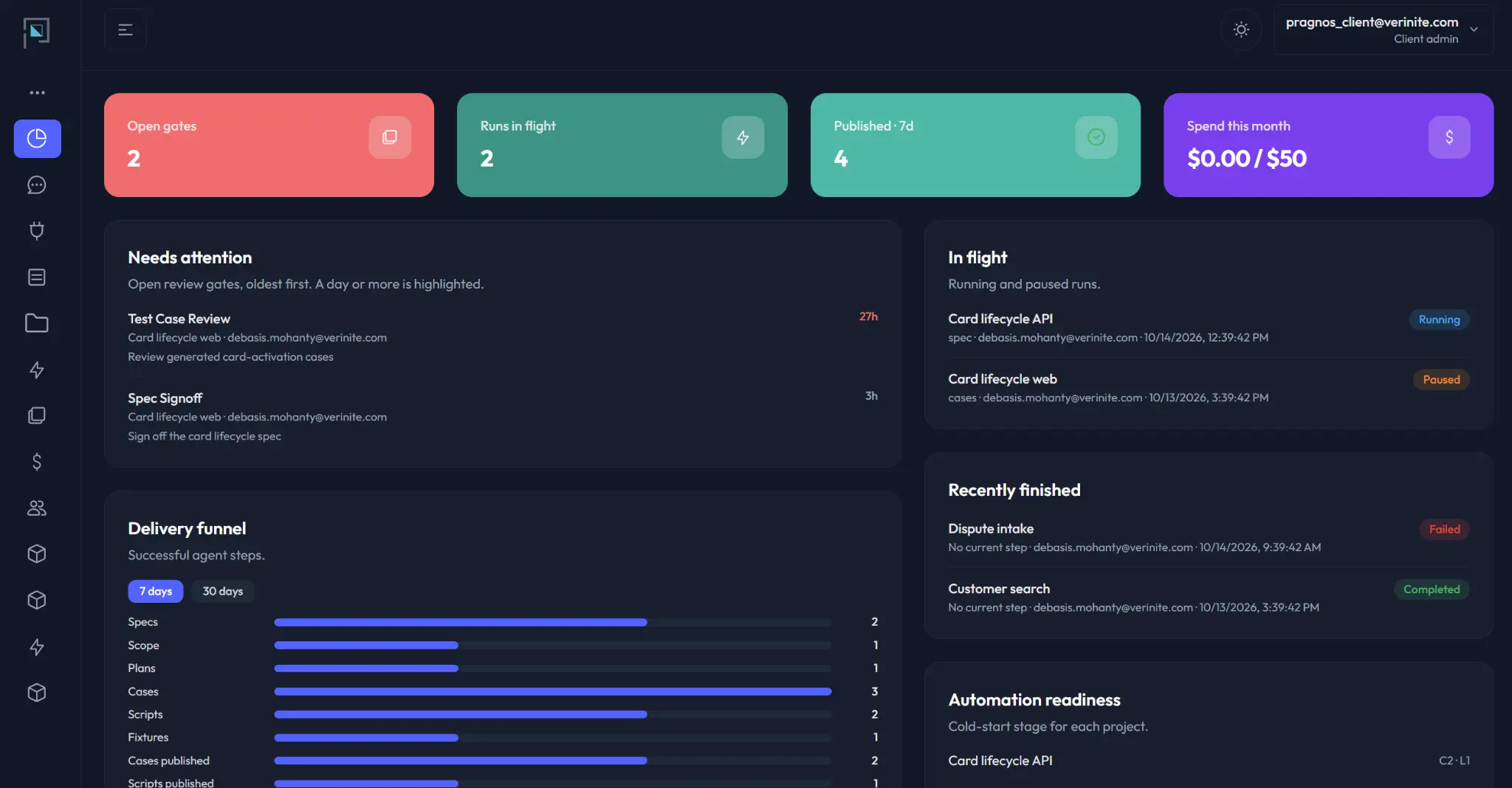
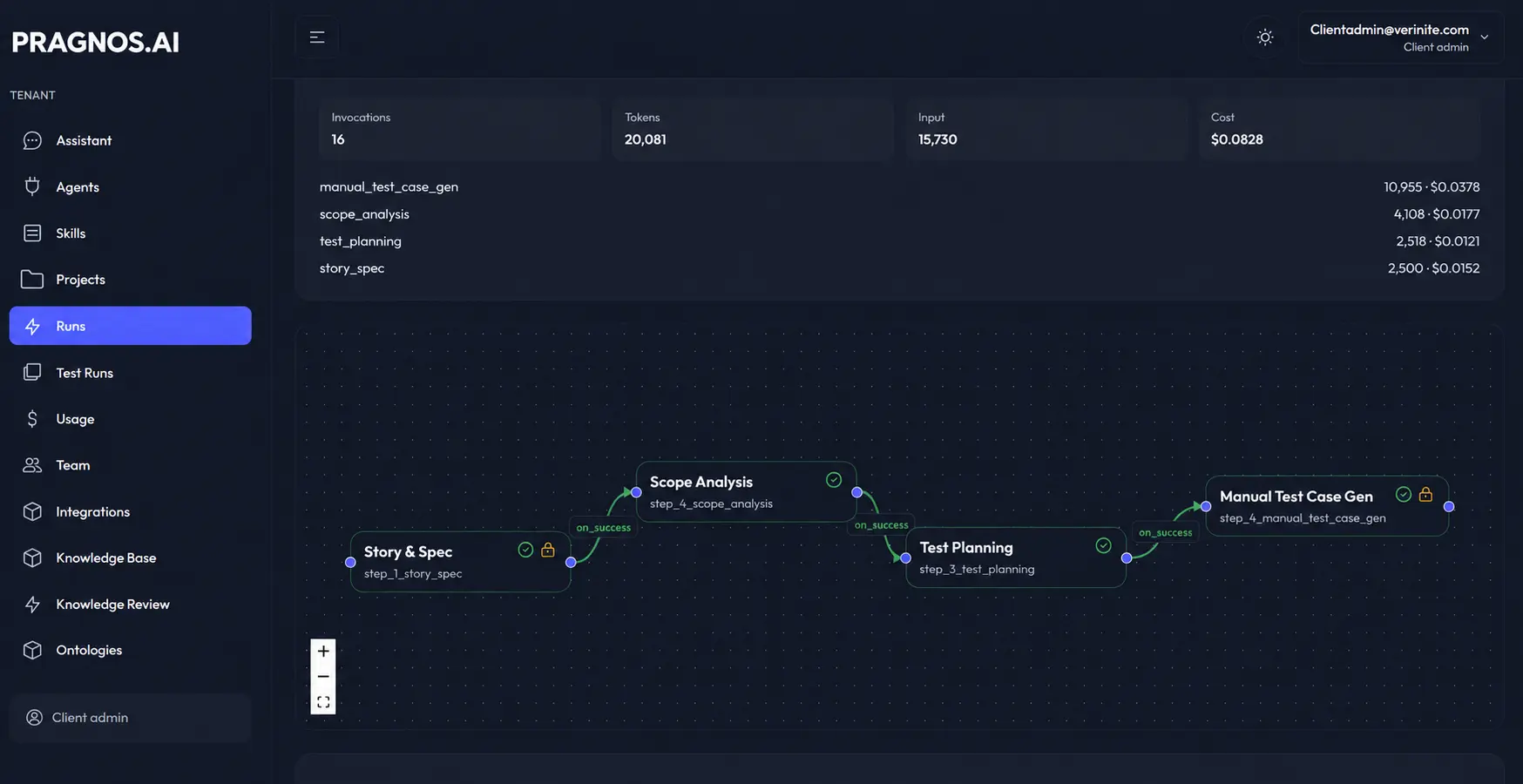
 One shared engineering workspace